
The U.S. National Science Foundation has teamed up with Voltage Park for the National Artificial Intelligence Research Resource, or NAIRR, pilot, an effort that seeks to provide educators and researchers better access to tools for AI research. Under the partnership, Voltage Park will be donating cloud computing resources worth one million hours of use on high-end NVIDIA H100 graphics processing units to support AI research projects in areas like science, health, climate, and engineering, the NSF said Wednesday.
What Is the National Artificial Intelligence Research Resource Pilot?
The NAIRR pilot is a two-year test program aimed at shaping plans for a full national AI infrastructure. It seeks to link researchers to a wide network of computing power, data, software, models, training, and support services needed to advance AI research, development and workforce training. It is an initiative led by the NSF and launched in 2024.
Learn more about AI and other paradigm-shifting technologies at the Potomac Officers Club’s 2025 Navy Summit on August 26 at the Hilton McLean in northern Virginia!
Remarks by NSF’s Brian Stone, Voltage Park’s Ozan Kaya
Brian Stone, who performs the duties of the NSF director, said, “Voltage Park’s participation significantly strengthens our ability to deliver on the promise of the NAIRR pilot.”
He added that by teaming with private companies like Voltage Park, the foundation was “expanding the frontiers of AI research and ensuring that the US continues to lead in AI innovation.”
Voltage Park Chief Executive Officer Ozan Kaya said that expanding access to advanced computing was a “strategic priority.”
“By lowering the barriers to high-performance AI infrastructure, we can unlock innovation from a more diverse and representative set of researchers. That inclusivity is what drives truly impactful AI and strengthens our national edge in the global innovation landscape,” he said.
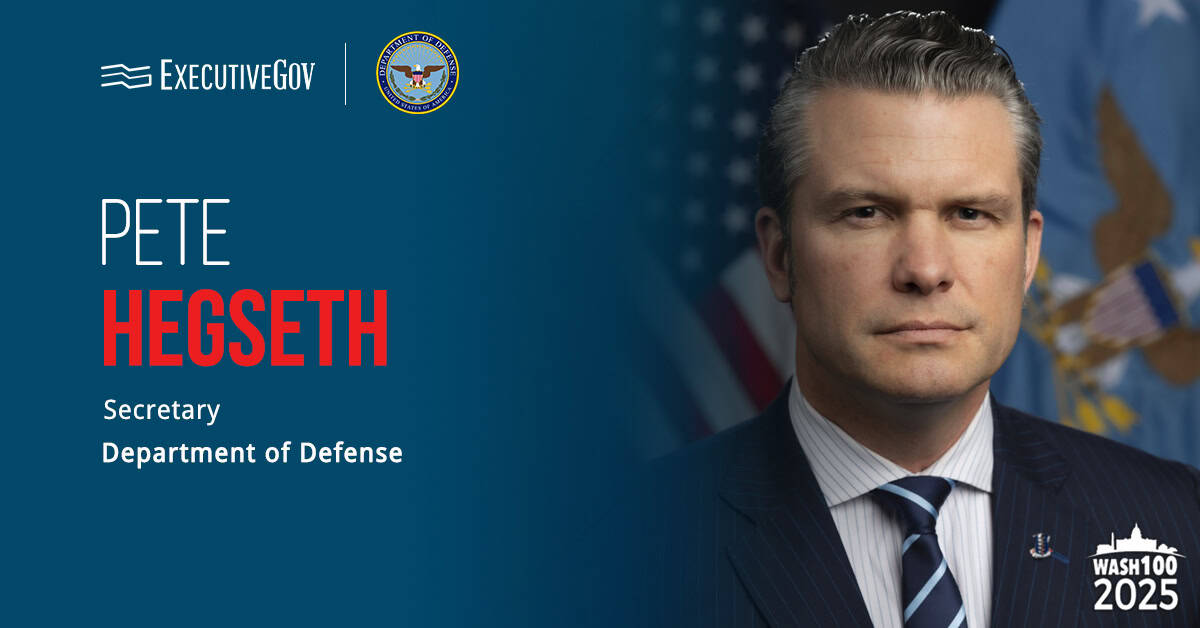
Defense Secretary Pete Hegseth, a 2025 Wash100 Award recipient, has unveiled new directives aimed at reshaping the culture and standards of the Department of Defense during a 45-minute address to senior military leaders at Quantico, Virginia. Hegseth outlined reforms that he said will restore focus on warfighter readiness, discipline and leadership, DOD said Tuesday. “The topic today is about the nature of ourselves because no plan, no program, no reform [and] no formation will ultimately succeed unless we have the right people and the right culture at the Department of War,” Hegseth told the audience, underscoring his view that the
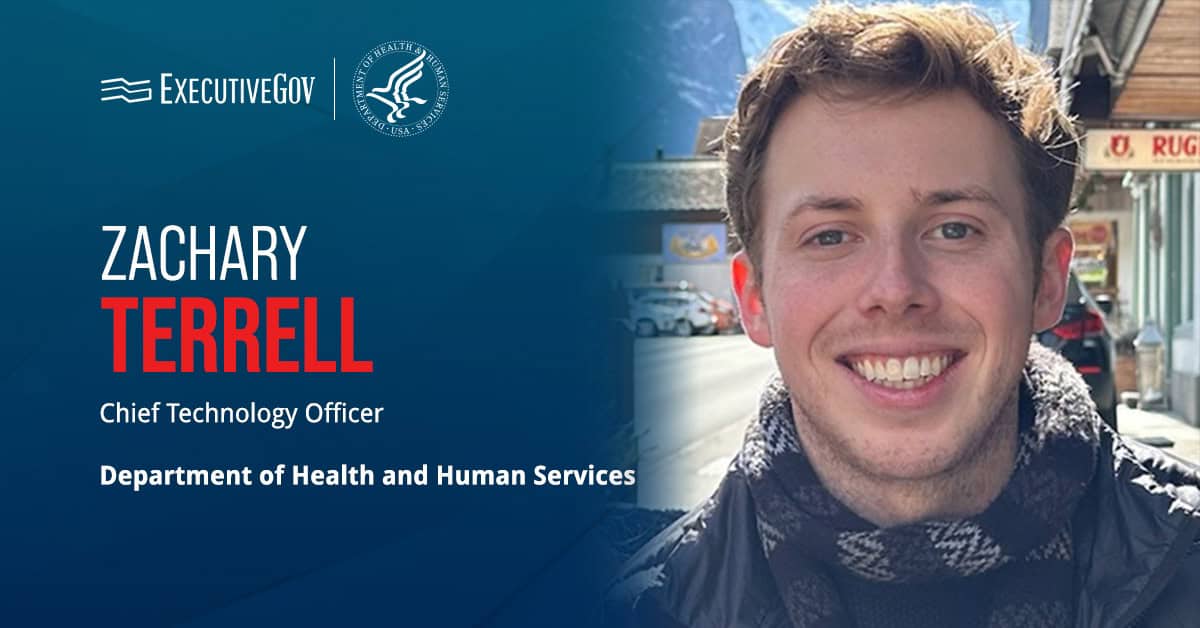
Zachary Terrell has been namedchief technology officer of the Department of Health and Human Services, FedScoop reported Monday. Three anonymous officials confirmed his designation, which aligns with HHS’ broader restructuring of its technology operations under Secretary Robert Kennedy Jr. This effort includes consolidating IT offices and implementing ChatGPT department-wide, highlighted by an OpenAI agreement with the General Services Administration to provide agencies with ChatGPT access for $1 each over the next year. DOGE Background and NSF Involvement Terrell previously held a role related to the Department of Government Efficiency at HHS and the National Science Foundation, where he was involved

The Department of the Air Force has issued a new memorandum that classifies software as a service as a commodity-based subscription service rather than a licensed software asset. In a LinkedIn post, the DAF chief information officer said the policy change shifts the department’s focus to usage, consumption and performance, unlocking real-time visibility into SaaS utilization, centralized procurement and cost control, stronger alignment with zero trust and data ownership mandates, and reduced sustainment burden on the workforce. Unlike traditional licenses, which grants ownership of the product, SaaS provides only access to applications. That distinction, according to the memo, makes it