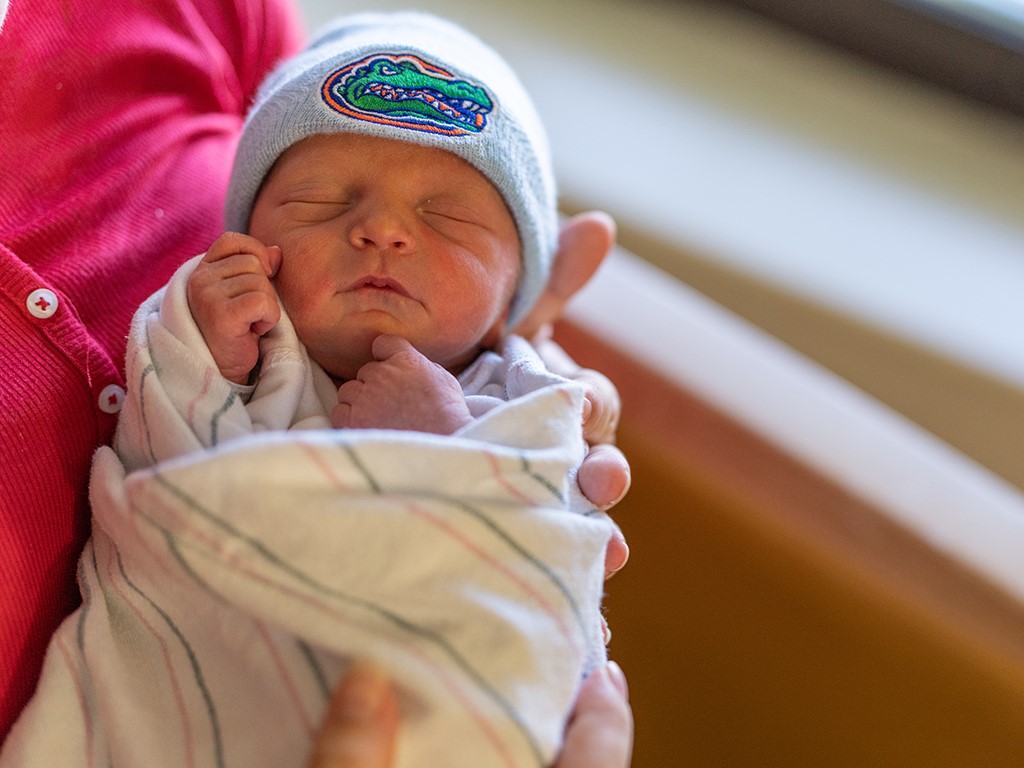
Imagine if when a soon-to-be mother arrived at a hospital in labor, her health care team could predetermine what challenges she might encounter with breastfeeding and develop a game plan to address any lactation complications, before she even gave birth.
Clinicians and engineers at theUniversity of Florida College of Medicinehave developed artificial intelligence models that they’re now applying to make this a reality for families delivering babies atUF Health Shands Hospitalin Gainesville.
TheMaximizing Initiatives for Lactation Knowledge, or MILK+, project combines the skills of physicians, nurses and AI engineers to identify mothers who are not producing enough breastmilk for their babies and increase lactation upon discharge for a particularly vulnerable population: premature babies in the neonatal intensive care unit. As the AI models continue to improve, the team hopes to make these insights common practice to supplement the care patients already receive.
“Breastfeeding has so many potential benefits for both mother and child, yet people have a misconception that it should come easily since it’s a natural process. In practice it can be extremely challenging, particularly for mothers of vulnerable patients such as those admitted to the NICU,” said project leadHelen Hu, M.D., a clinical assistant professor in the Department of Pediatrics.