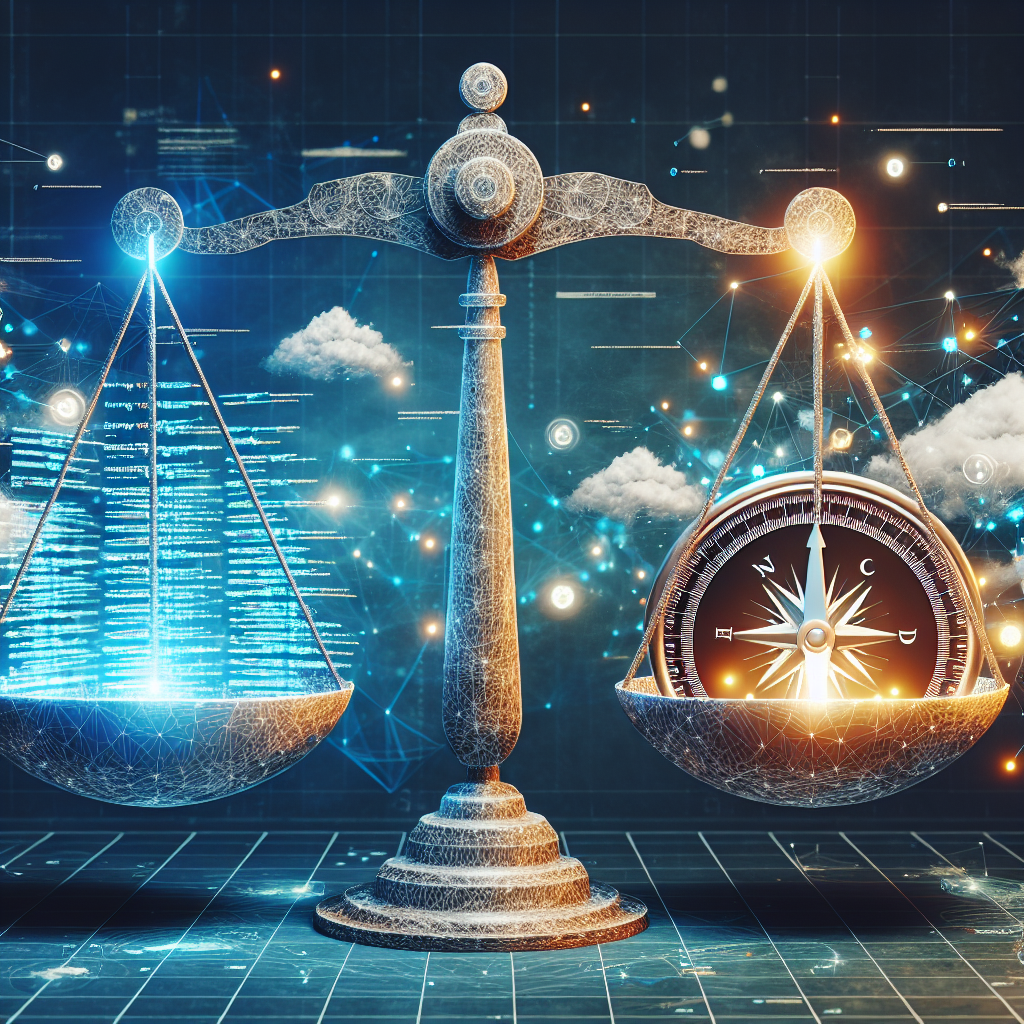
We should understand the essence of this moment — on the cusp between collapse and creation — we stand staring at something both terrifying and divine: the rise of artificial intelligence. It’s not science fiction anymore. It’s not a whisper on the wind. It’s here. It’s learning us — our faces, our rhythms, our desires, and even our fears. And if we’re not careful, it’ll inherit every injustice we’ve failed to dismantle.
The future we want cannot be built with the tools of the past. Slavery had cotton. Colonialism had gold. The 21st century has data. But the lesson remains the same: those who do not control the resource are destined to be controlled by those who do.
Own Your Data or Be Owned by It
Let us take a moment to be clear. In this new digital economy, data is the new oil — but more invasive, more intimate. It knows the pulse of our hearts, the inflection of our voices, the tilt of our politics. But unlike oil, data regenerates, multiplies, feeds itself. And right now, it’s being harvested by the handful, sucked from communities without consent, transparency, or reparations.
We’ve seen this movie before. First, they take your labor. Then they take your land. Then they take your likeness. Now they want your language patterns, your biometric scans, your browsing habits. It’s an extraction economy wearing a Silicon Valley hoodie.
But what if we flipped the script? What if data were community-owned? What if AI models trained on Black speech patterns, Indigenous knowledge systems, or working-class narratives had to pay for that privilege — not just in licensing fees, but in returns that fund schools, solar panels, local clinics, and libraries? What if every byte pulled from us came back tenfold in dignity?
Justice Must Be Programmed In
AI doesn’t have to be evil. It’s not inherently racist or sexist or ableist. But it will become those things if we don’t train it differently — because it learns from us. And if we don’t teach it to see the humanity in the most marginalized, it will reinforce the hierarchies that profit from their invisibility.
Every decision we make now—about facial recognition, about predictive policing, about employment screening, about who gets credit and who gets watched—etches itself into the code of tomorrow. We are building a digital Constitution, line by line, and if equity isn’t the preamble, oppression will be the default.
Together, let us legislate like it matters and utilize strategy to achieve our collective goals. Together we can demand ethical frameworks that center justice, not just efficiency. As a forward-thinking collective, we can require AI audits, community oversight boards, and radical transparency about where the data comes from and how it’s used. Let’s create models that don’t just optimize profit margins but maximize shared power.
The Climate Cost of the Cloud
And then there’s the Earth.
We cannot build the future on a platform that burns it down. The servers that feed AI’s hunger for computation don’t run on goodwill. They run on coal-fired electricity, on lithium mines that scar Indigenous land, on water siphoned from drought-prone regions to cool machines that memorize our selfies. The irony is brutal: we’re training machines to understand us while killing the planet that birthed us.
If the digital future requires strip-mining the natural one, we’ve already failed.
RELATED: Artificial IntelligenceFurthers Environmental Racism
We need a green AI revolution. One that prioritizes energy efficiency in its very architecture. One that locates server farms in places powered by wind and sun, not fracked gas. One that reinvests its profits into climate resilience — especially in frontline communities that didn’t create this crisis but bear its brunt.
Imagine if every teraflop of AI-powered innovation came with a carbon receipt and a promise to offset, to repair, to regenerate. Imagine if the biggest AI labs were also the biggest funders of climate justice and energy transition in the Global South. Imagine if intelligence — artificial or otherwise — meant nothing unless it was in service to the planet.
We Decide What Tomorrow Knows
This moment is not neutral. It is holy. It is perilous. It is pregnant with possibility.
We can choose a future where AI deepens divides, surveils dissent, and sells our stories to the highest bidder. Or we can choose one where it becomes a tool for liberation — a way to amplify unheard voices, dismantle biased systems, and democratize the very act of knowing.
But make no mistake: we must choose. The algorithms won’t save us. The corporations won’t either. This isn’t about tech. It’s about values. About vision. About whether we believe that every child — whether born in Nairobi or Newark, on tribal land or tenement block — deserves a say in the systems that will define their lives.
So we start today. By organizing. By legislating. By educating. By demanding a future where intelligence — human and machine — serves justice, not empire.
We own our stories. We own our data. We honor our Earth.
And we refuse to be left behind.